Client
Project date
2024-2025
Categories

Measuring the impact of a recreational and educational initiative in Valsamoggia

The Project

Il Castello Errante is a project developed by the Fondazione Rocca dei Bentivoglio as part of the Cultura e Rigenerazione 2024 call for proposals issued by the Fondazione Cassa di Risparmio in Bologna.

Now in its second edition, the project took place in the Valsamoggia area, coordinated by the municipal libraries with the active participation of numerous local partners: Comune di Valsamoggia, Club della Tovaglia, Centro Pedrini di Crespellano, Centro Le Nonne di Savigno, Consulta Giovani di Valsamoggia, COB, CSAPSA, Comitato Genitori di Castello di Serravalle, Comitato Genitori di Monteveglio and Cob Social Innovation.

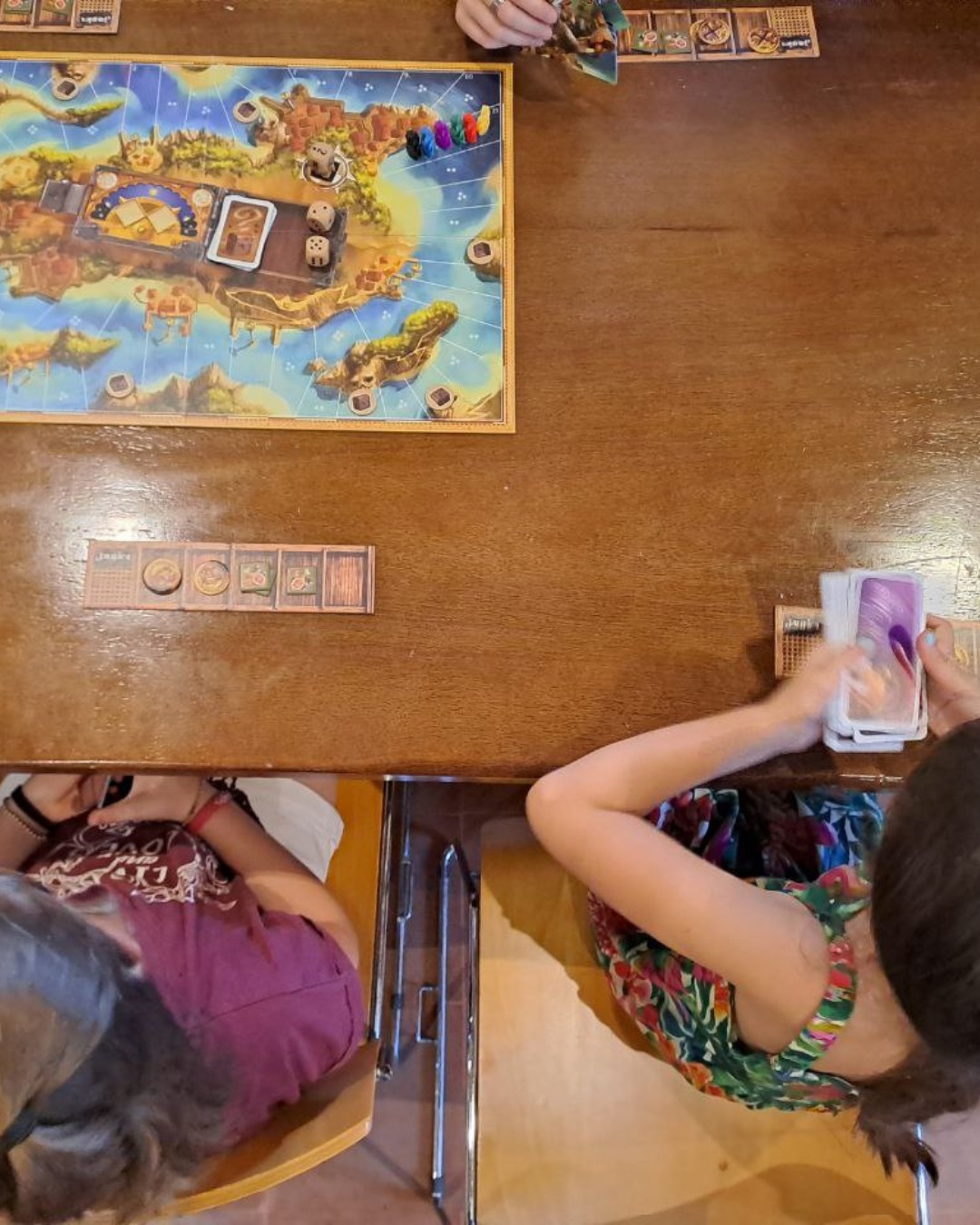
The project employed board games as an educational tool to foster inclusion, socialisation and learning. Activities were aimed primarily at children aged 10 to 14, together with librarians, with the goal of reinforcing the library’s role as an open, welcoming and community-oriented space.

Why?

Fondazione Rocca dei Bentivoglio commissioned BAM! to carry out an impact assessment to evaluate the concrete effects of the project on its beneficiaries. The analysis focused in particular on two key groups: the participating children and the librarians.
The goal was to emphasise the strategic importance of an initiative that not only uses play as an educational language, but also aspires to transform the library into a welcoming hub for connection and inclusion. To achieve this, it was necessary to adopt tools that could observe, measure, and report on the effects produced in terms of wellbeing, growth, motivation and social connections, while also providing insights for future editions of the project.

How?

The assessment was carried out by BAM! using the Theory of Change, an approach that enables the collaborative mapping of objectives, expected outcomes and impact indicators. The process involved participatory workshops, shared tools and active listening sessions with the beneficiaries. Two main dimensions emerged:

  • Educational impact: Thanks to the evocative use of cards from the game Dixit, the children were able to recount their experiences, emotions and life stories.
    The library was perceived as a welcoming and safe space where children could express themselves, play, reflect and interact with others. Play became a valuable arena for learning to collaborate and engage actively.
  • Professional impact: For librarians and educators, the project provided an opportunity to rediscover play as an effective educational tool. The experience fostered motivation, the development of new skills, a deeper understanding of children’s needs and stronger teamwork.

See our services!